
Sunflower meal — specifications, feed applications and what to look for when purchasing
26 August 2026
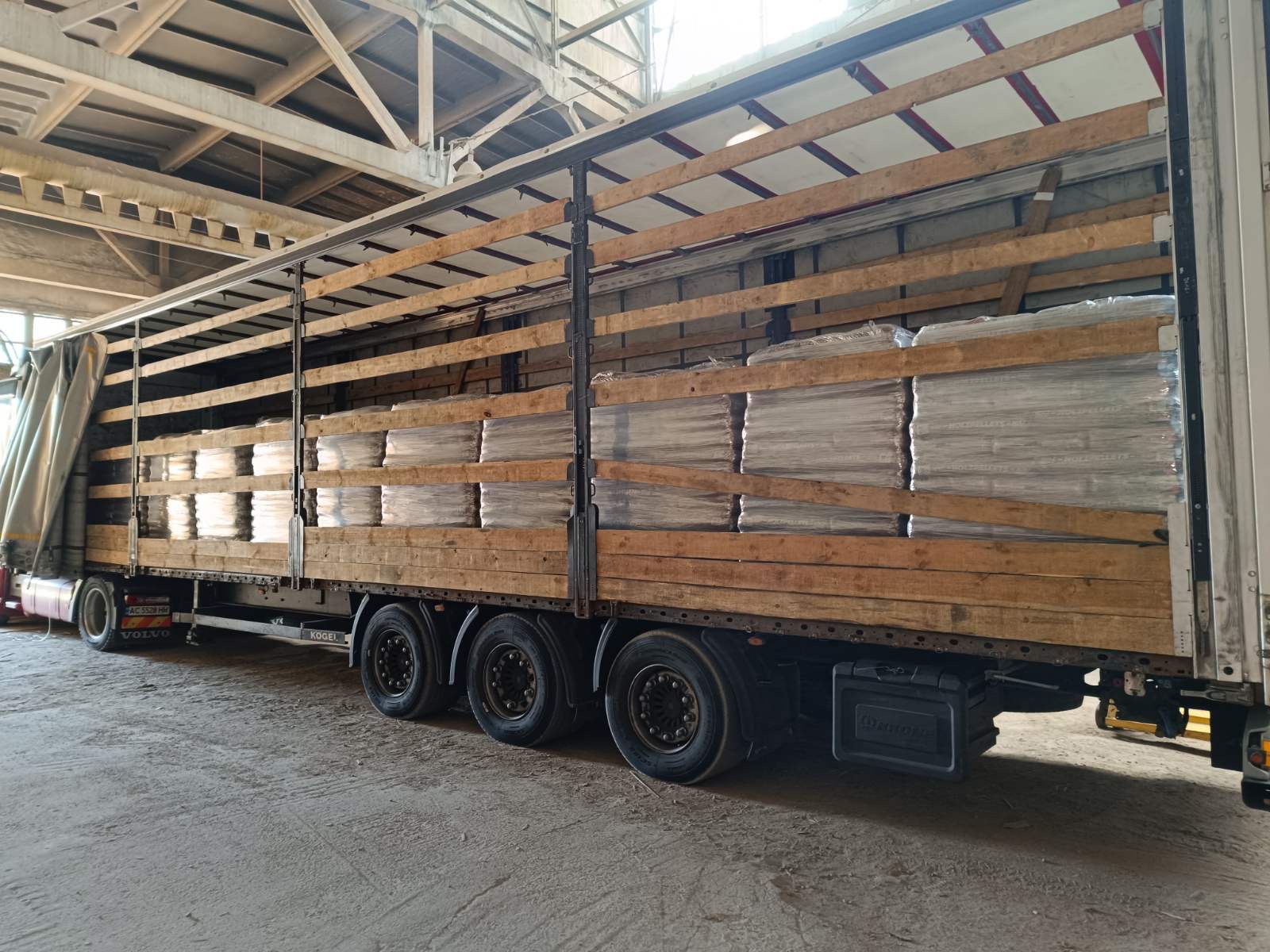
Sunflower meal is one of the more affordable alternatives to soybean meal, but its nutritional value depends heavily on dehulling quality and protein content. Here is what you need to know before signing a contract.
What sunflower meal is and where it comes from
Sunflower meal (SBM — sunflower meal) is a by-product of oil extraction from sunflower seeds. The main suppliers to the European market are Ukraine, Russia and Argentina. Ukraine accounts for approximately 50–55% of global sunflower meal exports — a critical consideration when assessing supply chain risk.
The product is available in two basic variants:
- dehulled (decorticated) — higher protein, lower fibre
- partially dehulled — less expensive, more commonly traded in bulk
Key quality parameters
When purchasing sunflower meal, pay particular attention to the following:
Crude Protein (CP): In dehulled meal it should reach 36–38% on a dry matter basis; in partially dehulled meal the typical range is 28–34%. A difference of 4–5 percentage points in protein content can justify a price premium of several dozen PLN per tonne — but only when the specification is actually met.
Crude Fibre (CF): This is the most common pitfall when buying. A high hull content means high fibre — typically 18–25% CF for partially dehulled meal and 13–16% for dehulled meal. A CF value above 26% indicates that the supplier has added hulls to "top up" the weight.
Moisture: The standard contractual limit is a maximum of 11%. Ukrainian meal delivered in summer often comes in at 9–10% moisture; in winter, 12–13% is not unusual. Every percentage point above the agreed limit represents a loss on dry matter that you are paying for as if it were full-value product.
Crude Fat (EE): Should be in the range of 1.5–3%. A higher level (>4%) suggests insufficient oil extraction — the meal will be of lower quality and will have a shorter shelf life.
Mycotoxins: Sunflower is relatively resistant, but fumonisins and aflatoxins can become a problem if storage conditions are poor. Require a certificate covering at least AFB1 and DON for every lot.
Feed applications
Swine
Sunflower meal works well as a partial soybean meal replacement — up to 10–15% inclusion in finisher diets, with more caution advised in feeds for lactating sows and piglets. The main limitations are high fibre content and lower amino acid digestibility (lysine ~2.5–2.9% of CP, considerably below soybean meal).
Dairy and beef cattle
This is the natural application for sunflower meal. Ruminants tolerate high fibre very well, and sunflower protein delivers good nutritional value in dairy cow diets. Typical inclusion rates: 1.5–3 kg/head/day in a TMR blend.
Poultry
Used at restricted levels — a maximum of 5–8% in broiler diets due to high CF and low digestibility. It performs better in layer hen diets.
What to watch out for when purchasing
- Always request laboratory analysis results — preferably from an independent laboratory (e.g. SGS, Intertek, WESSLING). A certificate issued by the supplier itself carries limited evidential value.
- Check the production date and storage conditions — sunflower meal with moisture above 12% and poor ventilation can develop mould within 3–4 weeks.
- Compare prices on a cost-per-unit-of-protein basis — if soybean meal is priced at 1 900 PLN/t at 44% CP and sunflower meal at 1 050 PLN/t at 34% CP, the unit cost of protein is broadly similar. Only when sunflower meal falls below 950 PLN/t at 34% CP do you achieve a genuine saving.
- Pay attention to the country of origin and current logistics conditions — meal from Ukraine transported by rail or via the Danube carries a different supply risk profile than Argentine product arriving by ocean vessel.
- Negotiate quality clauses in the contract — a deviation of more than 1% from the declared protein or more than 2% from the declared CF should trigger a price adjustment or the right to lodge a claim.
Summary
Sunflower meal is a valuable and economically justified feed ingredient — provided you purchase it with a clear understanding of the relevant specifications and from a reliable supplier. The most common mistake is focusing exclusively on the price per tonne without calculating the actual nutritional value.
---
If you are looking for regular sunflower meal supply or would like to compare offers for a specific volume, feel free to get in touch. At ARIA 3A we have been trading this commodity for many years and are happy to answer any specific questions.
Fill in the form — we reply within 24 hours.
Request a quote